Hey friend, grab your favorite mug and get cozy. I’m sitting here with my morning coffee, staring at my budget spreadsheet (yes, I’m that person now), and I just had to share something real with you. For the longest time, I thought “financial independence” was a fantasy reserved for people who won the lottery or had trust funds. But guess what? I’ve been quietly building my own little empire of freedom, one small habit at a time. And if I can do it—someone who once panic-bought a $7 latte because I forgot my lunch—you absolutely can too.
Let’s be honest: personal finance can feel like a boring chore, like folding fitted sheets. But I’ve discovered it’s actually the most empowering kind of self-care. It’s not about deprivation; it’s about designing a life where money works for you, not the other way around. So today, I’m sharing the real, messy, and totally doable steps that moved me from “surviving” to “thriving.”
Budgeting That Doesn’t Suck: My “No Guilt” System
I used to think budgeting meant saying “no” to everything fun. I’d try those strict apps that yelled at me for buying a candle, and I’d quit after three days. Then, after a particularly rough month where I accidentally spent $200 on takeout (oops), I had a lightbulb moment. I realized budgeting isn’t about restriction—it’s about permission. I created my own system called “The Joy-First Budget.” Here’s how it works:
- List your non-negotiables: Rent, utilities, groceries, and savings come first. I automate these so I never see the money.
- Give yourself a “fun fund”: I set aside $50 a month for guilt-free spending—coffee, a book, whatever. No shame.
- Track for one week: I literally write down every penny for seven days. It’s eye-opening. I once discovered I spent $40 on parking fees because I was too lazy to walk an extra block.
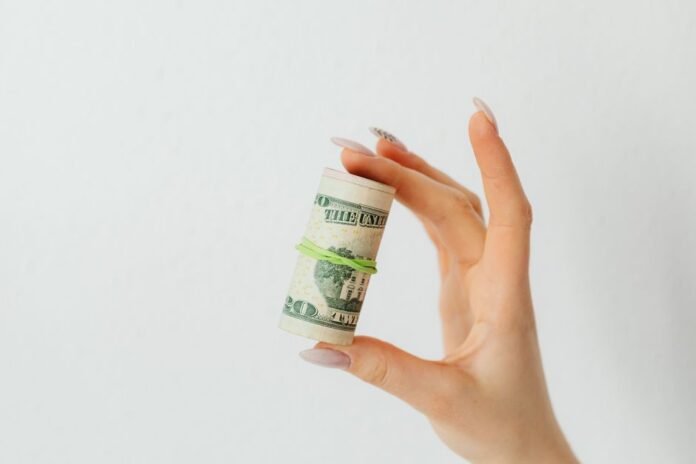
- Use the “envelope method” for extras: I have physical envelopes for categories like “eating out” and “entertainment.” When the cash is gone, it’s gone. It sounds old-school, but it works.
Here’s a personal anecdote: Last summer, I wanted to go on a weekend trip with my girlfriends but had zero extra cash. Instead of saying no, I used my “fun fund” and a little creativity. I packed snacks, we split a hotel room, and I walked everywhere instead of Ubering. That trip was one of the best weekends of my life—and it cost me $87 total. Budgeting didn’t steal my joy; it gave me the freedom to say yes to what mattered.
Investment Strategies for the Scared (That’s Me, Once)
Okay, let’s talk about the big, scary word: investing. I remember staring at my retirement account options like they were written in ancient Greek. “Index funds? Bonds? What is a Roth IRA?” I was so intimidated I just left my money in a savings account earning 0.01% interest. Spoiler: that’s basically throwing money into a hole. But I learned a few simple tricks that made it feel less like rocket science and more like planting a garden.
First, I started with what I call the “lazy girl portfolio.” I opened a low-cost brokerage account (like Vanguard or Fidelity) and put money into a target-date index fund. That’s it. One fund. It automatically adjusts risk as I get older. I set up automatic transfers of $50 every paycheck—even when I was broke. That small habit grew into thousands over time. I also learned about compound interest, which is basically magic. Your money earns money, and that money earns more money. It’s like a snowball rolling downhill.
Another game-changer was a tiny mistake I made. I once panic-sold some stocks during a dip because I saw red numbers and freaked out. I lost $200. I learned the hard way: don’t check your portfolio every day. Set it and forget it. Now, I only look once a quarter, and I remind myself that the market is a roller coaster, not a straight line. Patience is your best friend.
For passive income, I started small. I put $1,000 into a high-yield savings account (earning 4% interest) and another $500 into a dividend-paying ETF. Every quarter, I get a tiny check—like $12. It’s not life-changing, but it’s proof that my money is working while I sleep. I also rent out my parking spot on an app for $75 a month. That covers my Netflix, Spotify, and a nice dinner. Passive income doesn’t have to be a side hustle empire; it can be tiny streams that add up to peace of mind.
Financial Independence: It’s Closer Than You Think
When I hear “financial independence,” I used to picture early retirement on a beach with a piña colada. But real FI is simpler: it’s having enough savings to survive for six months without a job. It’s being able to say “no” to a toxic boss because you have a cushion. It’s the freedom to take a sabbatical, start a side project, or just sleep better at night.
I’ll share a vulnerable moment. Two years ago, I got laid off unexpectedly. I had a panic attack in my car. But because I’d been saving 10% of every paycheck (even the small ones), I had an emergency fund that covered four months of expenses. I didn’t have to take the first awful job offer. I could breathe. That feeling of control was worth more than any designer bag. Financial independence isn’t about being rich; it’s about being resilient.
My journey to FI involved a few key shifts: I stopped comparing my finances to friends on Instagram (those “wealthy” influencers are often in debt). I started celebrating small wins, like paying off a credit card. I also learned to say “no” to lifestyle inflation—when I got a raise, I didn’t upgrade my apartment; I increased my savings rate. It’s boring, but it works.
One last tip: find your “why.” For me, it’s the ability to take a month off to travel with my mom while she’s still healthy. For you, it might be starting a business, adopting a pet, or just not worrying about rent. Write it down and put it on your mirror. When you’re tempted to buy another pair of shoes, that “why” will keep you focused.
So here’s my heartfelt takeaway: You don’t need a six-figure salary or a finance degree to build a life you love. Start with one tiny step today—maybe it’s opening a savings account, canceling a subscription, or reading one article about index funds. Be kind to yourself when you slip up (I still buy overpriced coffee sometimes). The goal isn’t perfection; it’s progress. And every small choice you make is a vote for the future you want.
You’ve got this, friend. I’m cheering for you. 🤍